
"horn of africa"
200 article(s) found

Description of flavor of Yejia Coffee Cochel Coffee by washing method
Yega Chet Coffee Coffee Flavor description by washing method the flavor of Yejia Coffee Coffee is described in the producing area. Yejaschuffe itself is a small town with a population of about 20, 000, with three neighboring small producing areas of Wenago, Kochere and Gelena Abaya. Because the flavor of the coffee is almost the same as that of Yejasuffe, it is also classified into the region of Yejasuffe. Yega snow caffeine, whether it's culture.

On the origin of coffee, the essence of coffee culture
The history of coffee has the same rich content as the way coffee is brewed. It can be traced back to the origin of Africa more than a thousand years ago, and roasting coffee is an exciting thing, especially the unique roasting process of Pascucci coffee, which makes people feel the best condition of a cup of strong coffee. In addition, coffee preparation and tasting more fully reflect the coffee culture.

Introduction to exquisite Ethiopian coffee beans
When it comes to Ethiopia, let's first talk about the origin of coffee. In about the sixth century, when Kardai, an Arab shepherd, was driving sheep to the Ethiopian prairie for grazing, he was very excited and excited to see each goat. He felt very strange. Later, after careful observation, he found that these sheep were excited only after eating some kind of red fruit. Cardai was curious.

Three major coffee farms in the world: a detailed explanation of coffee in African coffee estates and major producing areas
When it comes to Africa, people's first impressions are: desert, drought, tribe, poverty, mystery and so on. Because of its climatic environment, it has become a paradise for the growth of coffee trees. Coffee production in Africa the first coffee tree in the world was found in the Horn of Africa. Local indigenous tribes often grind the fruit of coffee and knead it with animal fat to make many balls.

The flavor variety of Ethiopian Yega Sheffivoka coffee with medium thickness and not obvious sour taste.
When it comes to Ethiopia, let's first talk about the origin of coffee. In about the sixth century, when Kardai, an Arab shepherd, was driving sheep to the Ethiopian prairie for grazing, he was very excited and excited to see each goat. He felt very strange. Later, after careful observation, he found that these sheep were excited only after eating some kind of red fruit. Cardai was curious.

Description of Flavor Coffee Flavor in Yejia Ficher Manor introduction of Fine Coffee Flavor Flavor
When it comes to Ethiopia, let's first talk about the origin of coffee. In about the sixth century, when Kardai, an Arab shepherd, was driving sheep to the Ethiopian prairie for grazing, he was very excited and excited to see each goat. He felt very strange. Later, after careful observation, he found that these sheep were excited only after eating some kind of red fruit. Cardai was curious.

The taste of coffee is not strong in the mouth. Introduction to the growing environment
When it comes to Ethiopia, it is better to talk about the origin of coffee. About the sixth century AD, an Arab shepherd named Kaldi was driving sheep to the Ethiopian steppe to graze. He saw that every goat was extremely excited and excited. He thought it was strange. Later, after careful observation, he discovered that these sheep would be excited only after eating some kind of red fruit. Kaldi was curious.

Coffee History and Story
The world's first coffee tree was found in the Horn of Africa.

What kind of coffee is African coffee? How does African coffee taste good? Characteristics of African coffee
For more information on coffee beans, please follow the Coffee Workshop (official Wechat account cafe_style) Coffee producing countries are mostly located in coffee belts. There are now about 60 countries. Africa, especially East Africa, produces some of the world's most unique coffees, characterized by vivid floral scents.
A Summary of the Development History of Coffee in Yemen
Coffee scientific name: Coffea arabica), also known as coffee tree, Arabica coffee, etc., is the national flower of Yemen. Before the 6th century in the park, Yemen was called Arab, so the coffee trees transported from them to other places were also called Arabian coffee trees. The name coffee comes from the Arabic Qahwah, which means plant drink. Later, the coffee spread all over the world, and it was picked.
The development and change of coffee!
With the development of the times and the further change of people's concept of life, the coffee industry is also developing at a rapid speed. The promotion of urbanization and the construction of culture are the driving force for the development of coffee shops.

Where was Arabica coffee first discovered? what are the native species of Arabica coffee trees?
Professional coffee knowledge exchange more information about coffee beans Please follow the coffee workshop (Wechat official account cafe_style) Arabica coffee originated in Africa the world's first coffee tree was found in the Horn of Africa. Local indigenous tribes often grind the fruit of coffee and knead it with animal fat to make many ball-shaped balls. Of these indigenous tribes.

The origin of the word "coffee" in the basic knowledge of coffee
Coffee (scientific name: Coffea arabica), also known as coffee tree, Arabica coffee, etc., is the national flower of Yemen. Before the 6th century AD, Yemen was called Arabian, so the coffee trees shipped from them to other places were also called Arabian coffee trees. The name coffee comes from the Arabic Qahwah, which means plant drink. Later, the coffee spread all over the world, and it was picked.

Introduction to the treatment of Grinding degree of varieties describing the Flavor of Yega Feiwoca Coffee in Ethiopia
In February 1977, Lieutenant Colonel Mengistu Haier Maryam (MENGISTU HAILE MARIAM) launched a military coup and served as Chairman of the interim military Administrative Council and head of State. In 1979, the Ethiopian Labor people's Party Organization Committee, dominated by soldiers, was established to implement an one-party system. In 1984, the Ethiopian Workers' Party was formed according to the Soviet Communist Party model. Mengistu, September 1987
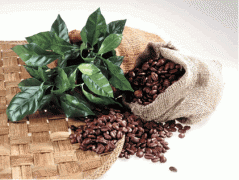
Basic knowledge of Fine Coffee an overview of the history of Yemeni coffee
Coffee scientific name: Coffea arabica), also known as coffee tree, Arabica coffee, etc., is the national flower of Yemen. Before the 6th century in the park, Yemen was called Arab, so the coffee trees transported from them to other places were also called Arabian coffee trees. The name coffee comes from the Arabic Qahwah, which means plant drink. Later, the coffee spread all over the world, and it was picked.

Characteristics of Sidamo Coffee introduction to Sidamo Guji Ardi Yadi Coffee Cooperative
For more information on coffee beans, please follow the coffee workshop (Wechat official account cafe_style). The cooperative produced by Ardi is located in the Guji district of Ethiopia's West Dharma Province. There are 700members of small coffee farmers under the Ardi cooperative. Yadi is named after Ardi, whose 4.4 million-year-old female remains were discovered in 1992.

Yega Chefevoca Coffee Flavor description grindability characteristics of varieties in producing areas, taste, price, planting environment
Although the Ethiopian Yirgacheffe coffee is petite, it is gentle and delicate and sweet. As the hometown of coffee, thousands of years of planting history and processing tradition in Ethiopia have created high-quality washed Arabica beans. Light baking has unique sweet aromas of lemon, flowers and honey, soft acidity and citrus flavors, fresh and bright on the palate. No.

Unique citrus Ethiopian sun Yega Sheffivoka Coffee Flavor
Although the Ethiopian Yirgacheffe coffee is petite, it is gentle and delicate and sweet. As the hometown of coffee, thousands of years of planting history and processing tradition in Ethiopia have created high-quality washed Arabica beans. Light baking has unique sweet aromas of lemon, flowers and honey, soft acidity and citrus flavors, fresh and bright on the palate. No.

Introduction to the characteristics of Ethiopian Coffee Flavor Manor
In February 1977, Lieutenant Colonel Mengistu Haier Maryam (MENGISTU HAILE MARIAM) launched a military coup and served as Chairman of the interim military Administrative Council and head of State. In 1979, the Ethiopian Labor people's Party Organization Committee, dominated by soldiers, was established to implement an one-party system. In 1984, the Ethiopian Workers' Party was formed according to the Soviet Communist Party model. Mengistu, September 1987